Documentary

Documentary photo stories
Full archive on Exposure-
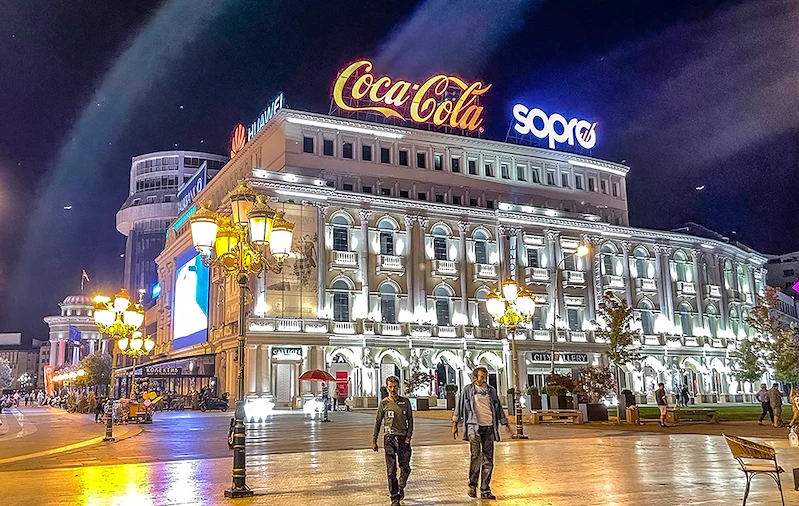 Skopje · 2021
The Bizarre, the Bazaar and the Modern Art
A walk through the old bazaar, the remade city centre and the Museum of Contemporary Art.
-
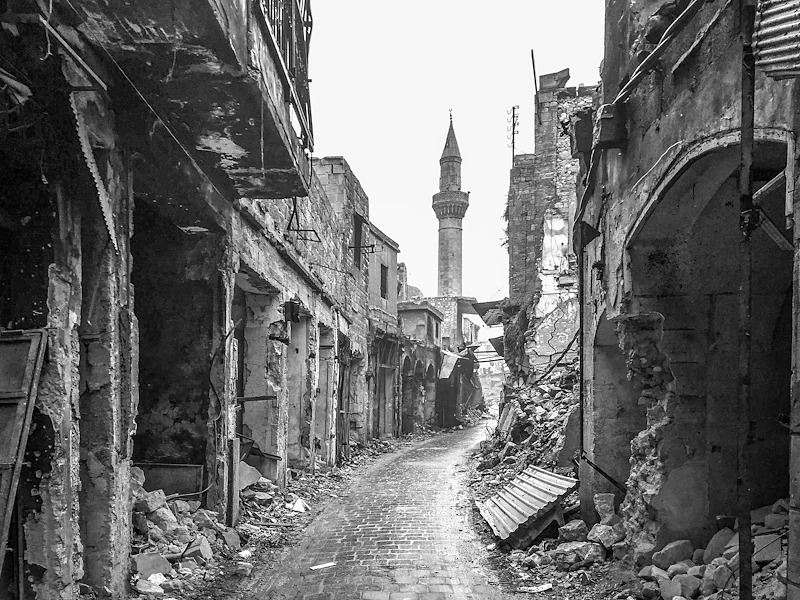 Aleppo · 2016
The Meaninglessness Of War
Photographs from Aleppo’s Old City in December 2016.
-
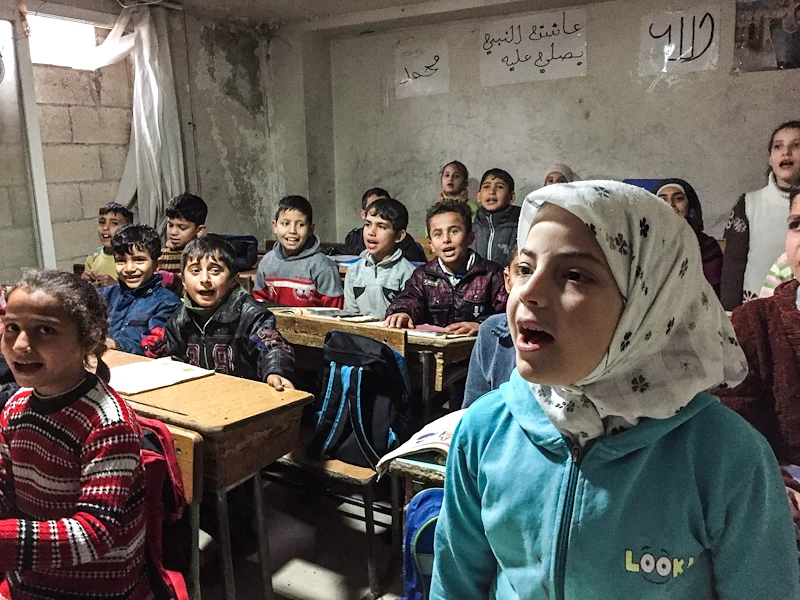 Aleppo · 2016
School in an Aleppo factory
Children and teachers in a school set up in the Sheikh Najjar industrial district.
-
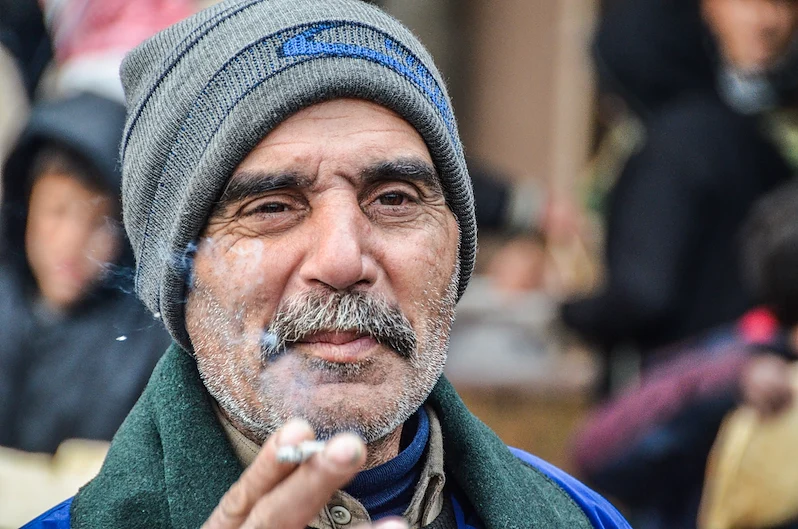 Aleppo · 2016
Faces Of Aleppo
Portraits and accounts of people Jan met in Aleppo in December 2016.
-
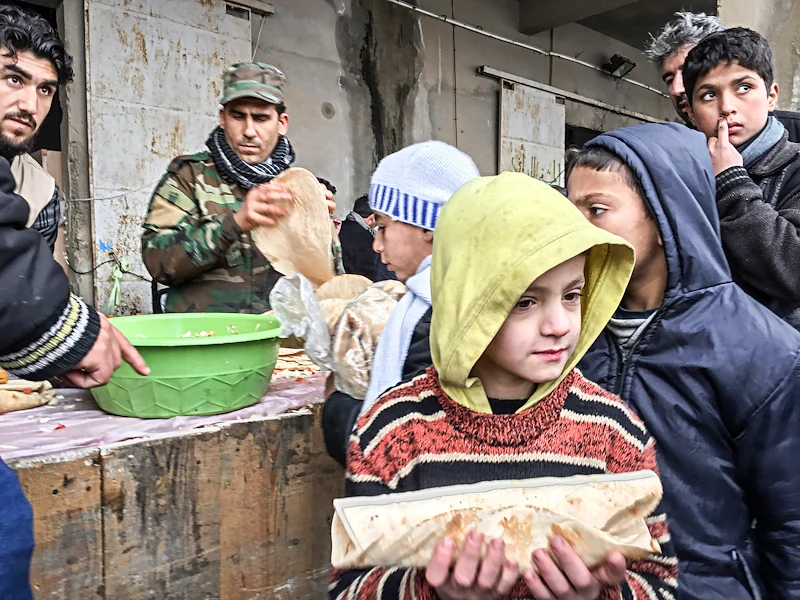 Aleppo · 2016
Aleppo’s Evil Humanitarians
Jan’s account of aid and medical care at the Jibrin reception centre.
-
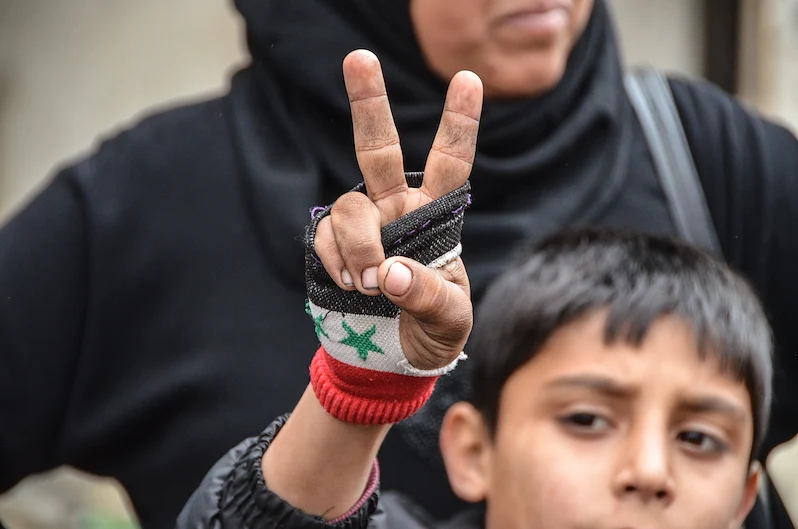 Aleppo · 2016
Humans in liberated Aleppo
Encounters with residents of Eastern Aleppo on 11 and 12 December 2016.
-
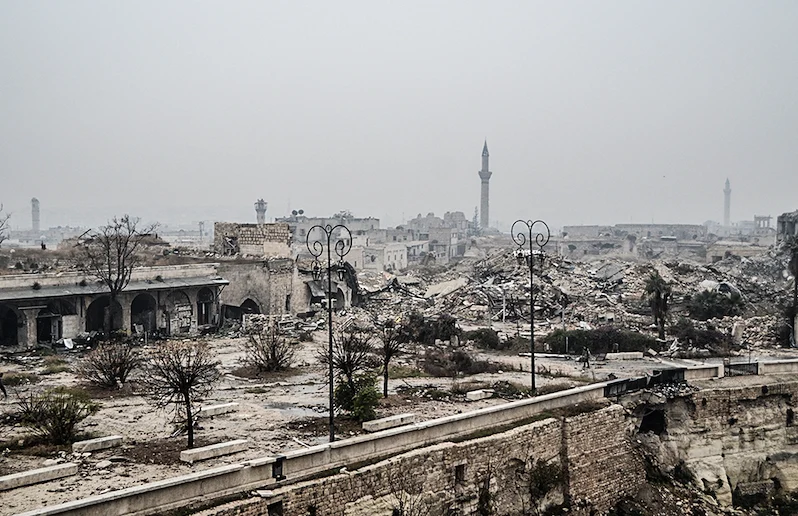 Aleppo · 2016
The destruction of Eastern Aleppo, Syria
Photographs of streets and buildings damaged by war.
-
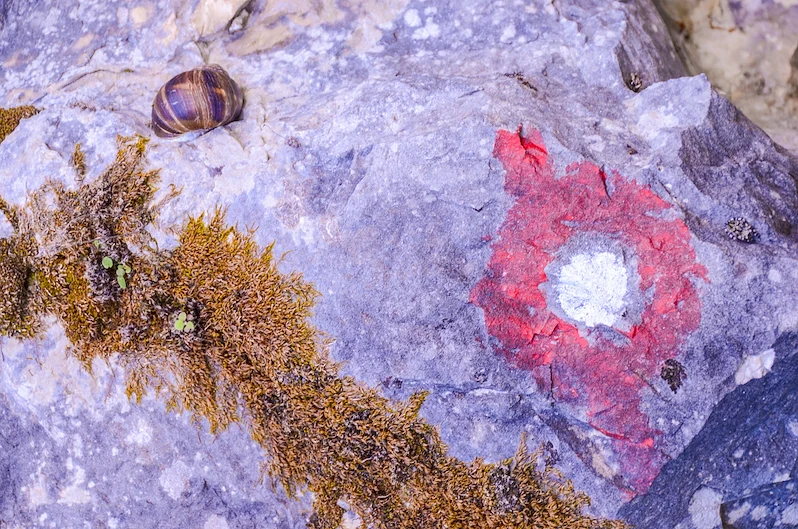 Montenegro · 2016
Montenegro 2016
A hiking trip through Montenegro with Danish friends.
-
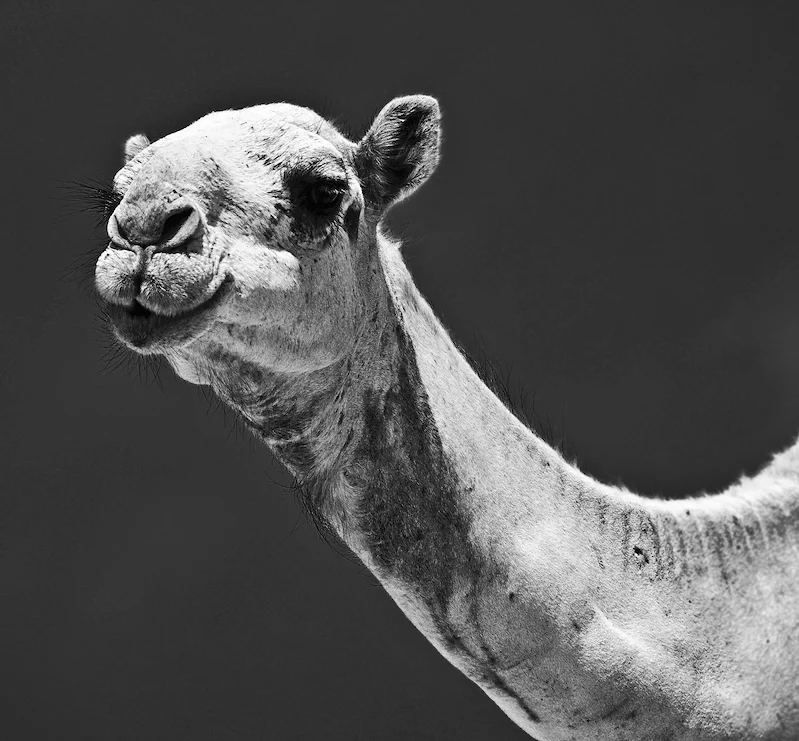 Somaliland · 2014
Somaliland 2014
A photo essay from a peace and photography mission.
Introduction
Diverse documentary photography
Most photographers tend to specialise in one or two types of photography; I like to do several types and explore how they may interact. For instance, the “Contrasts Of China” exhibition in 2026 is mainly documentary, but here and there I have combined 3-4 shots into collage-like pieces to convey more information to the viewer. Documentary does not have to mean one photo in each frame.
I’ve been travelling to places to do art photography, but on the road I took pictures that didn’t fit that category.
I’m also a peace and conflict researcher and travel for other reasons than taking photos. For instance, I go to academic conferences or to conflict zones to try to understand what is going on. When possible, I’ve also taken photos to document often unique or historic scenes and my life.
Third, there are people, moments and milieus I want to preserve through photography because they are important to me, but which I believe are also not too private to be useful or interesting to others.
For instance, I go to art fairs and museums – and sometimes want to share what were wonderful experiences to me; and art exhibitions are by definition temporary; soon we only have the images of them.
My mentor, Viggo Rivad (1922-2016), always said that photography is like saying “See what I have seen.”
Of course, people today travel much more and see for themselves – or they travel online (not least during and after the Coronavirus) – but I may still see something they have not seen, or seen the same way. So, I would add “See how I have seen it.”
There is this ever-present, omnipresent thing called history: I was there; I witnessed something. It was important to me… see what I saw! We record the moments that may, sometimes, never come again. Every photograph is a piece of history. I am sure you have noticed that it is sometimes very interesting to look at old photos, such as Eugène Atget’s photos of the streets and shops of Paris, more than 100 years old today. At the time, many would probably have said: And so what? He just shot what was everyday life… nothing special.
Imagine I go out in the streets of my town today and take some pictures of streets, squares, trees, people, shops, parking lots, etc. This may not be interesting at all because that’s how we have all seen it in this town. But imagine someone seeing those pictures in the year 2150? They would probably find them as interesting as we do Atget’s today. In other words, documentary work doesn’t have to be special in any way; history may do its job and make them special.
Oh, how I would love to take pictures today of the future world, create “futurical” and not only “historical” documentary: See what we can imagine! For instance, imagining a better world. I wonder whether AI won’t be able to help generate documentary images of the desired future?
These photographic activities are what I would call documentary.
For my documentary photography, I use the excellent Exposure platform, which contains so many interesting photos and texts from around the world. I recommend that you visit Exposure – so much creativity and sharing out there. And I think it is great to be part of a community of fellow documentarists.
You may also go straight to my Exposure space with several photo and text series, or photo stories. I’ve been surprised that over the last few years it has received more than 200 000 visitors. Updating this page in November 2026, I recognise I should have used it more.

Subscribe to Oberg PhotoGraphics Magazine on Substack and get my “PostArt” Newsletter
Last updated on November 24, 2026